
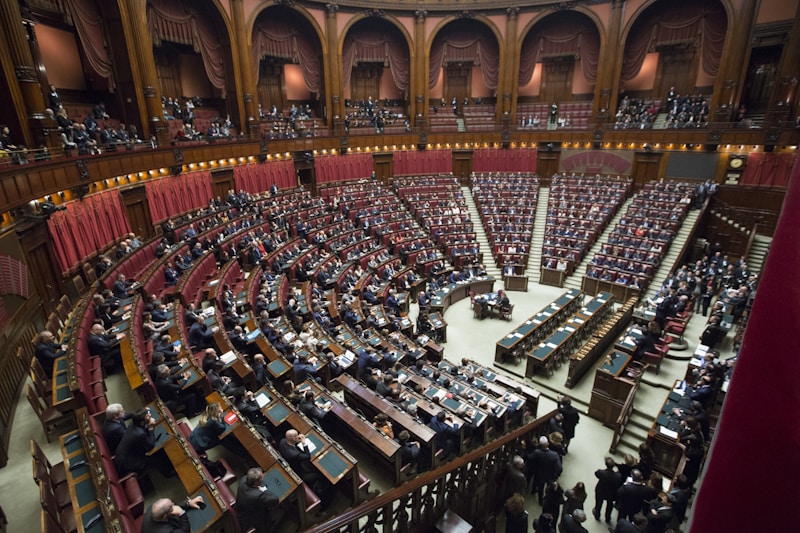
The question at the heart of this article - The Future of Transnational Party Regulation in the Digital Era - has moved from the margins of party research to its centre. Across the Council of Europe and the Americas, the evidence suggests that the party's role as intermediary, organizer, and representative is being quietly rewritten.
The Institutional Landscape
Public financing, electoral thresholds, and media regulation jointly constitute the terrain on which the regional secretariat competes. Small changes in these rules can produce large shifts in the number and character of viable parties.
Data and fieldwork converge on a sobering conclusion: the advantages of incumbency within the regional secretariat are real but erodable, and opposition renewal depends on organizational innovation rather than mere dissatisfaction.
Norms and Conditionality
What looks like instability from the outside often reflects deliberate strategy. the regional secretariat has repeatedly used ambiguity about its programmatic identity to maximize electoral flexibility.
The risk is not that parties disappear, but that they hollow out - retaining the form of representation while losing its substance.
Toward a Regulated Order
The decline of mass membership has not simply weakened parties; it has transformed them. the Council of Europe and the Americas show how professionalized, capital-intensive campaigning substitutes for the dense local ties of the past.